Empowerment or Objectification? The Role of Beauty Pageants in the Modern Era

Empowerment or Objectification? The Role of Beauty Pageants in the Modern Era
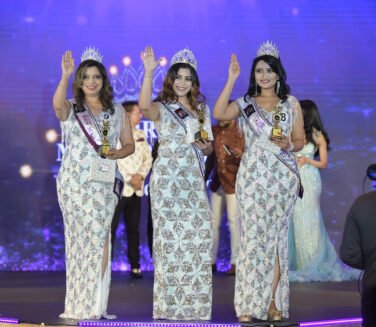
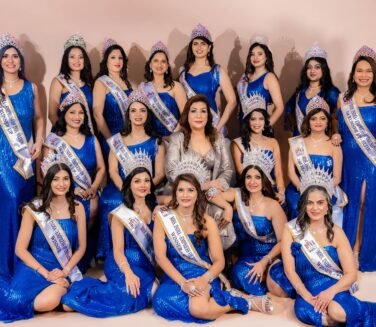
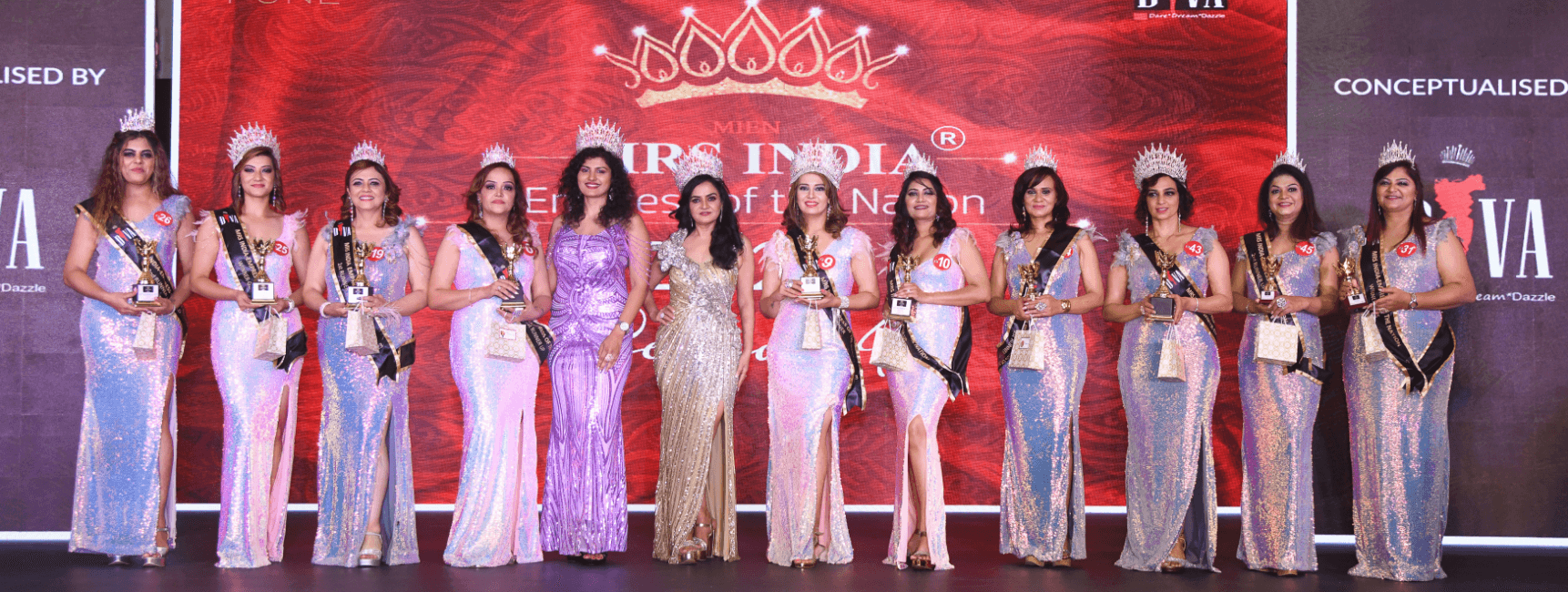
At the forefront of redefining beauty pageants for married women, DIVA Pageants stands tall as the proud organizer of Mrs. India Empress of the Nation and Mrs. Maharashtra. More than just a competition, DIVA Pageants provides a transformative journey where women celebrate their individuality, rediscover confidence, and inspire others to Dare, Dream, and Dazzle. By blending glamour with purpose, DIVA has become a platform where women from all walks of life showcase not just their beauty, but their strength, resilience, and achievements.
Beauty pageants have been a cultural fixture for decades, offering women the chance to showcase their beauty, talents, and, more recently, their advocacies. Over time, these platforms have transformed, moving beyond just appearances to emphasize intelligence, confidence, and social impact. Yet, the debate continues do pageants truly empower women, or do they reinforce outdated notions of beauty?
This conversation has become even more relevant in the modern era, where not only Miss pageants exist for unmarried women, but also Mrs. Pageants such as Mrs. India Empress of the Nation and Mrs. Maharashtra that celebrate the achievements and journeys of married women.
The Empowerment Narrative: Beyond Beauty
Pageants today are increasingly redefining beauty by celebrating resilience, leadership, and individuality. For unmarried contestants, global platforms like Miss Universe or Miss World have become springboards to careers in entertainment, business, and advocacy. Iconic figures like Priyanka Chopra and Aishwarya Rai illustrate how pageants can unlock opportunities for personal and professional growth.
Similarly, Mrs. pageants such as Mrs. Maharashtra, Mrs. India, and Mrs. Universe give married women the opportunity to reclaim their identities and step into the spotlight. These competitions celebrate the multifaceted roles women play whether as wives, mothers, entrepreneurs, or professionals while encouraging them to break free from limiting stereotypes.
For many participants, the stage becomes a platform for rediscovery. They gain self-confidence, polish life skills like public speaking, and most importantly, inspire others with their stories of perseverance and empowerment. In this way, pageants transform into celebrations of women’s ability to thrive both personally and professionally, proving that beauty truly is more than skin deep.
The Objectification Criticism: Outdated Beauty Standards?
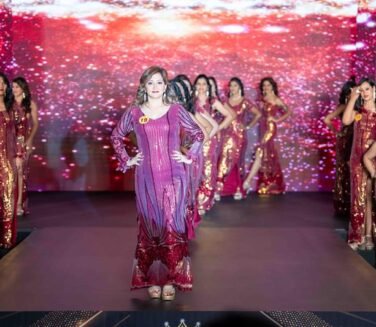
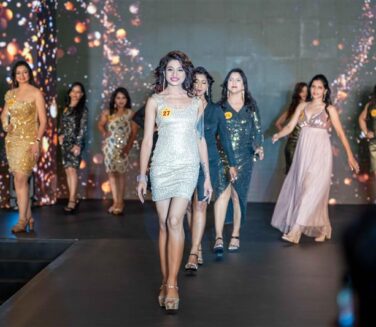
Despite these empowering qualities, beauty pageants are not free from criticism. The inherent judging of appearance through evening gowns, fashion wear, or body-revealing segments often raises concerns about reinforcing narrow and unrealistic beauty standards. Critics argue that even with advocacy and talent rounds, a disproportionate emphasis remains on physical attractiveness.
When it comes to Mrs. pageants, additional questions arise. Some critics feel that highlighting titles like “wife” or “mother” risks tying women’s worth to traditional gender roles, limiting the narrative of empowerment. This sparks a crucial question: Are we truly celebrating women’s accomplishments, or are we still measuring them within conventional beauty frameworks?
Striking a Balance: The Modern Evolution of Pageants
In response, pageants have been evolving. Competitions like Miss Universe and Miss World now emphasize advocacy and diversity, spotlighting contestants from varied body types, cultures, and communities. Similarly, Mrs. India and Mrs. Universe are breaking new ground by giving married women platforms to voice their opinions on issues such as gender equality, family, and career challenges.
DIVA Pageants, through Mrs. Maharashtra and Mrs. India Empress of the Nation, focuses not just on beauty, but on the journey of a woman, her triumphs, struggles, and the impact she creates in society. These pageants encourage women to Dare, Dream, and Dazzle, redefining empowerment in the unique context of married life.
By celebrating authenticity, confidence, and purpose, modern pageants are working to bridge the gap between empowerment and objectification.
Empowerment in the Hands of Women
In the modern era, beauty pageants occupy a complex but evolving space. While criticisms around appearance and outdated standards persist, the transformative potential of these platforms cannot be denied. Ultimately, whether pageants empower or objectify lies in how participants use their stage many today are using it to uplift, inspire, and lead.
For married women especially, pageants like Mrs. India Empress of the Nation and Mrs. Maharashtra, under the banner of DIVA Pageants, have become more than contests; they are platforms of empowerment where resilience, achievements, and voices take center stage. If this evolution continues, beauty pageants will not just redefine what it means to be beautiful they will redefine what it means to be empowered in the 21st century.